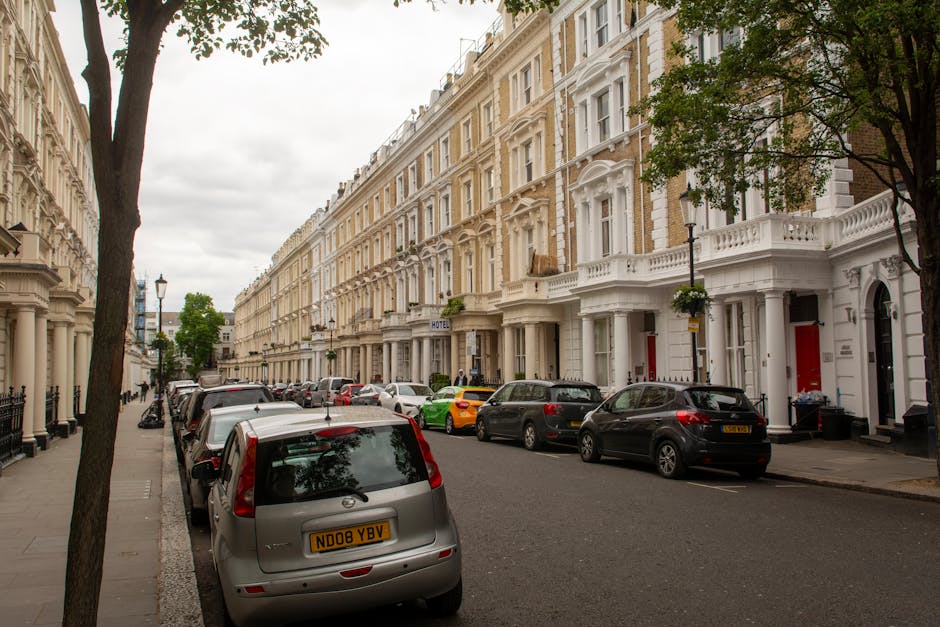
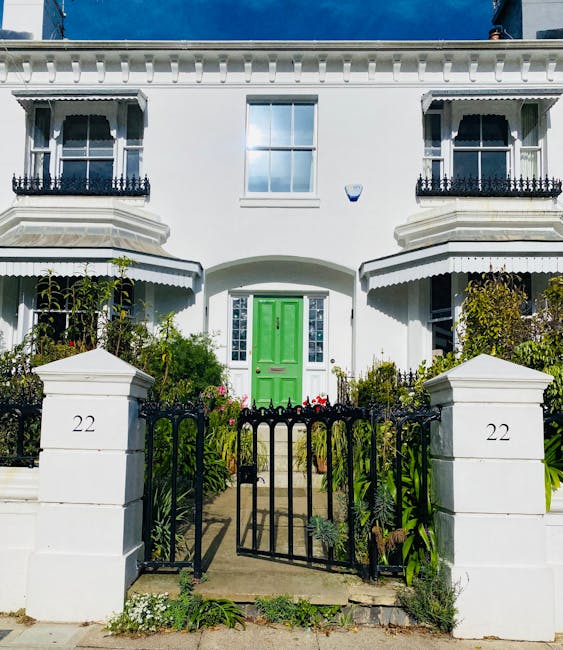
Case study Victorian terrace removals in Parsons Green SW6
Victorian terrace moves can look straightforward from the street, and then suddenly they are not. Narrow hallways, tight stair turns, parked cars outside, a delicate banister, one sofa that is just a touch too wide for comfort - you know the sort of thing. This case study Victorian terrace removals in Parsons Green SW6 explores how a well-planned local move is handled from first walk-through to final unloading, with the practical details that make the difference between a smooth day and a stressful one. If you are weighing up house removals in Parsons Green, or simply want to understand how terrace properties behave on moving day, this guide will give you a clear, grounded picture.
We will look at why these properties create moving challenges, how a terrace removal is typically organised, what benefits come from careful preparation, and which mistakes cost time and money. You will also find a comparison table, a realistic example, a checklist, and answers to the questions people usually ask just before they book. Truth be told, Victorian terraces are lovely to live in, but they are not always forgiving on moving day.
Table of Contents
- Why Case study Victorian terrace removals in Parsons Green SW6 Matters
- How Case study Victorian terrace removals in Parsons Green SW6 Works
- Key Benefits and Practical Advantages
- Who This Is For and When It Makes Sense
- Step-by-Step Guidance
- Expert Tips for Better Results
- Common Mistakes to Avoid
- Tools, Resources and Recommendations
- Law, Compliance, Standards, or Best Practice
- Options, Methods, or Comparison Table
- Case Study or Real-World Example
- Practical Checklist
- Conclusion
- Frequently Asked Questions
Why Case study Victorian terrace removals in Parsons Green SW6 Matters
Parsons Green has a lot of character, and Victorian terraces are a big part of that. They often have period features, split-level layouts, bay windows, compact staircases, and rooms that were designed long before modern wardrobes, king-size beds, and oversized sofas became normal. That means the move is rarely just a matter of lifting boxes and driving off. The property itself becomes part of the job.
In practice, a Victorian terrace removal matters because access is usually the main bottleneck. It is not only about distance or van size. It is about the angle of the stairs, how much room you have on the pavement, whether a sofa can make the turn on the landing, and whether the parking situation outside allows the team to work without circling the block. If one part of that chain fails, the whole day slows down.
That is why local planning matters so much in SW6. A move that would be simple in a modern flat block can become fiddly in a terrace with original features. You might need extra padding for bannisters, more time for dismantling furniture, and better timing for arrival and loading. If you are still mapping out your move, it can help to review broader guidance on house removals in Parsons Green and the practical support offered through removal services in Parsons Green.
Expert summary: Victorian terrace moves are usually won or lost on access planning, not sheer lifting strength. Measure first, protect the property, and leave enough time for the awkward bits.
How Case study Victorian terrace removals in Parsons Green SW6 Works
A good terrace removal is built around observation and sequence. Before anything is carried, the movers need to understand the property: front access, internal stairs, room layout, fragile features, and the practical route from each room to the van. On a good day, this sounds a bit overcautious. On a bad day, it is the difference between a one-trip success and a scratched wall, a strained back, or a couch stuck halfway down the stairs. Not ideal.
The process often starts with a planning conversation. That may include what needs to be removed, what can be dismantled, what is fragile, and whether any items need special handling. In a Victorian terrace, that usually means looking at beds, wardrobes, dining tables, mirrors, mirrors again because people forget them, and occasionally very heavy pieces like pianos or large sideboards.
Timing also matters. A short terrace street can feel busy even before lunchtime, so arrival windows should be realistic. Many local moves benefit from clear communication on delivery timing and loading sequence, which is why flexible scheduling pages such as best-time delivery planning and pack first, then wait for collection can be useful when you are coordinating packing around a moving day.
The actual removal usually follows a pattern:
- Protect floors, corners, and bannisters.
- Clear the main exit path.
- Load the largest and heaviest items first.
- Use blankets, straps, and trolleys as needed.
- Keep smaller boxes grouped by room so unloading is faster.
- Check each floor and cupboard before leaving, because one forgotten drawer can turn into a second trip. Nobody wants that.
A terrace case study is never just about physical moving. It is a small logistics exercise, one that blends packing discipline, access control, and local knowledge. If you want to sharpen the packing side of things, the article on effective packing strategies is a helpful companion.
Key Benefits and Practical Advantages
The best thing about a properly handled Victorian terrace removal is not just that it gets done. It gets done with less friction. That sounds simple, but anyone who has moved a sofa down a narrow stairwell knows it is not simple at all.
Here are the main advantages:
- Less damage risk: careful protection around bannisters, walls, and door frames reduces avoidable scuffs.
- Better time control: a planned route means fewer pauses and fewer last-minute reshuffles.
- Safer lifting: heavy items can be handled with proper technique instead of guesswork.
- Cleaner unpacking: room-by-room loading makes boxes easier to place at the new address.
- Less stress: when the access plan is sorted, the entire day feels calmer.
There is also a practical commercial benefit. A move that is planned well is easier to price honestly, because the team can see what is involved. That transparency matters if you are trying to avoid awkward add-ons later. For a closer look at pricing expectations, see pricing and quotes and the guidance on avoiding hidden removals charges in Parsons Green SW6.
For properties with antique or high-value furniture, there is another advantage: pacing. A good mover will not rush a valuable piece just to save two minutes. They will slow down, protect the item, and take the route that looks a little longer but proves safer. That is the kind of judgment you actually want. Quick is nice. Safe is better.
Who This Is For and When It Makes Sense
This type of move is for anyone living in, selling, buying, or clearing a Victorian terrace in Parsons Green SW6, but the details matter most if your home has:
- a narrow internal staircase
- period features such as railings, skirting boards, or delicate plasterwork
- large furniture pieces that cannot simply be tilted and carried out
- limited driveway or kerb access
- parking restrictions outside the property
- multiple floors or attic rooms
It also makes sense if you are moving with children, pets, or a tight timeline. In those situations, the move becomes as much about emotional load as physical load. A terrace move can feel surprisingly personal, especially when you have lived there for years and every room seems to have a memory attached to it. That is normal.
People often ask whether this kind of planning is only for large family homes. Not really. Even a modest terrace with two bedrooms can be awkward if the stairs are steep and the hallway is narrow. Likewise, a one-bedroom terrace conversion can still include heavy furniture, awkward corners, or storage items in a loft that nobody wants to climb into on moving day.
If your move involves a partial clearance, a downsizing project, or a blend of storage and transport, you may also find storage in Parsons Green useful. And if you are stripping things back before the move, removing excess clutter can make the whole operation feel lighter, both literally and mentally.
Step-by-Step Guidance
Here is a clear way to think about a Victorian terrace removal in Parsons Green. This is the part where good moves start to feel less mysterious.
1. Survey the property properly
Walk through every level and identify the difficult items first. Look for low ceilings, tight corners, shallow landings, and anything that needs dismantling. Measure larger items and compare them with stair width and door openings. It sounds obvious, but in the heat of packing, obvious things are the first to go missing.
2. Decide what stays, what moves, and what goes
Clutter creates friction. If the move is already complex, do not add unnecessary weight. Separate donation, recycling, storage, and disposal items early. A cleaner load is quicker to handle and easier to arrange in the van. For a more structured pre-move cleanout, the guide on starting with a clean slate before relocating is worth a look.
3. Pack by room and by priority
Use a room-based system so boxes can be unloaded in the right order. Label fragile items clearly, and keep essentials separate. If there is one bag you want immediately on arrival, make sure it is easy to spot. Kettle, charger, basic toiletries, the usual suspects.
4. Protect the property
Period homes need a bit more care than newer builds. Use floor coverings, bannister protection, and padding where needed. A single careless turn can mark paint or woodwork. It is not drama; it is just experience talking.
5. Load in the right sequence
Large, stable items go in first. Fragile or lighter boxes fill the gaps. Do not bury essentials under a mountain of random cartons. That is how frustration starts. And nobody needs frustration at 4:30 in the afternoon.
6. Check access, keys, and parking before the van arrives
In Parsons Green, parking and street access can shape the whole schedule. Make sure any permissions, timings, or resident arrangements are sorted ahead of time. If you want to anticipate the local parking side better, read parking rules for house removals.
7. Unload with room logic
Place boxes and furniture into the correct rooms straight away. That saves time later and prevents clutter from rebuilding itself in the hallway. It happens faster than you think. One chair in the wrong place, then two boxes, then somehow the kitchen is in the lounge.
Expert Tips for Better Results
Experienced movers tend to focus on a handful of things that make a disproportionate difference. The first is early measurement. The second is the habit of dismantling before trying brute force. The third is keeping the route as simple as possible.
Here are some practical tips that usually pay off:
- Photograph awkward items before the move. That helps with reassembly and avoids the classic "was this bracket on the left or right?" moment.
- Use consistent labelling. The team should be able to tell room, fragility, and priority at a glance.
- Keep bolts and screws in sealed bags. Tape them to the relevant furniture piece. Small thing, big win.
- Do not overpack boxes. Heavy boxes are harder to move safely in narrow stairwells.
- Leave enough walking space. A cluttered landing slows everyone down.
- Have a backup plan for storage. Sometimes the new property is not quite ready, and that is fine. Planning for it reduces panic.
For larger or especially delicate items, it can be worth reading about the risks of piano relocation and the advice on piano removals in Parsons Green. Similar caution applies to large sofas, which are deceptively awkward. A good companion article is sofa storage advice for longevity.
One more human tip, because this is where people trip up: keep tea and water accessible. A moving day with no pause feels twice as long. Simple, but true.
Common Mistakes to Avoid
The most common mistakes on terrace moves are not glamorous disasters. They are small decisions that snowball.
- Not measuring large items in advance. That lovely wardrobe may never make the landing turn.
- Assuming the van can stop right outside. Sometimes it cannot. Sometimes parking makes that impossible.
- Packing too late. Last-minute packing leads to poor labelling and broken rhythm.
- Ignoring dismantling time. If furniture has to come apart, factor it in.
- Using unprotected floors and walls. Victorian homes deserve a bit of care.
- Overfilling boxes with books or kitchenware. Your back will notice.
Another common issue is underestimating how much longer a terrace move takes compared with a more open property. Stairs, turns, and protection work are all real time costs. People often say, "It's only a few rooms." Yes, and those rooms may still be connected by a tight staircase and a hall that bends like a question mark.
If you want to avoid pricing surprises as well as physical ones, take a look at how much Parsons Green removals cost and common problems and the local guidance on furniture removals costs.
Tools, Resources and Recommendations
You do not need a warehouse of equipment for a terrace move, but the right tools matter. Professional teams usually rely on:
- removal blankets
- webbing straps
- stair trolleys or sack trucks where suitable
- floor and corner protection
- tool kits for dismantling furniture
- protective wraps for glass and delicate finishes
- clearly marked boxes and labels
From a planning perspective, the most useful resources are not fancy. They are simple documents and habits: an inventory, a room-by-room plan, a rough timetable, and a clear point of contact. If you are booking a broader service, the overview at services overview can help you understand the moving options available, while man with van in Parsons Green is useful if your move is smaller but still awkward.
For local access situations, you may also find the following helpful: Parsons Green station large-item access tips and tips for narrow street removals on Parsons Green Lane. They are not exactly glamorous reads, but they are the sort of things that save time when it matters.
Law, Compliance, Standards, or Best Practice
For house removals in the UK, the main concern is usually not a complex legal rule set so much as working safely, respecting access rules, and handling items responsibly. In a local context, that means being mindful of parking restrictions, property access, noise, and any building-specific requirements. If the move uses a public road space, permission and timing can become relevant, so planning ahead is wise.
Best practice for a Victorian terrace move includes proper lifting technique, suitable equipment, and care for both property and people. Good movers should be able to explain how they protect walls, floors, and furniture, and they should be honest about items that may need specialist handling. Safety should never be treated like a box-ticking exercise. It is there because people get hurt when it is ignored. Simple as that.
If you are comparing providers, look for clarity around insurance, payment, and responsibilities. You do not need a lecture; you need straightforward answers. Pages such as insurance and safety, payment and security, and terms and conditions are the sort of places where transparent providers should explain the basics. It is also sensible to understand data handling through privacy policy and service reliability through health and safety policy.
Where sustainability matters to you, it is worth checking whether packing waste, old furniture, and unwanted items can be handled responsibly. The page on recycling and sustainability is relevant here, and it often gets overlooked in the rush to simply clear the house.
Options, Methods, or Comparison Table
Not every terrace move needs the same setup. Some are light and straightforward. Others need more hands, more protection, and more time. Here is a practical comparison to help you decide what fits.
| Move type | Best for | Strengths | Watch-outs |
|---|---|---|---|
| Small man and van move | Light terrace contents, a few rooms, fewer large items | Flexible, efficient, often quicker to arrange | Can struggle with bulky furniture or complex access |
| Full house removals | Whole-property moves, family homes, mixed furniture loads | More structured, better for planning and heavy items | Needs more preparation and usually more time |
| Specialist item removal | Pianos, oversized sofas, fragile antiques | Better protection and handling | May require extra coordination or equipment |
| Same-day removals | Urgent moves or last-minute changes | Fast response, useful in a pinch | Less time for planning, so details matter even more |
If you are still deciding between a compact service and a fuller move, compare man and a van in Parsons Green, man and van in Parsons Green, and removals in Parsons Green. Smaller jobs do not always need a large setup, but it is worth being honest about the furniture and access involved. That way, nobody is pretending a wardrobe will float down the stairs on good vibes alone.
Case Study or Real-World Example
Let's look at a realistic Victorian terrace scenario in Parsons Green SW6.
A couple in a two-storey terrace is moving within the local area. Their home includes a king-size bed, a heavy sofa, a glass dining table, several framed prints, and two bookcases. The staircase is narrow, the landing turns sharply, and there is no driveway. The street outside is busy enough that double-parking would cause trouble. Nothing outrageous, but enough to need proper planning.
The move begins with a pre-move review. The movers check item sizes, identify the sofa as a likely pinch point, and recommend dismantling the bed and removing table legs before the van arrives. The couple packs room by room and keeps essentials in a separate bag. They also remove a few items they no longer want, which makes the load lighter and avoids carrying clutter into the new place. Sensible move, honestly.
On moving day, floor protection goes down first. The team uses blankets for the banister and corners, then moves the largest items through the house in a controlled sequence. The sofa needs careful angle work on the stair turn, so one person guides and another steadies the base. It takes patience, not muscle heroics. The dining table is wrapped and carried separately. Small boxes are kept grouped so unloading can happen room by room.
The result is not dramatic. That is the point. No damage, no frantic reshuffling, and no last-minute panic about missing screws. The couple is in their new terrace by early evening, with the kitchen boxes already in the right room and the big furniture safely in place. Not a glamorous story, maybe. But it is the kind of move people remember fondly because it did not go wrong.
For anyone planning a similar setup, the packing guidance at bed and mattress moving advice and finding peace in the moving process can be a good companion to the practical side of the job.
Practical Checklist
Before moving day, work through this checklist. It keeps things tidy and reduces the chance of a nasty surprise halfway down the stairs.
- Measure large furniture and key doorways or stair turns
- Confirm parking and access arrangements
- Separate items for storage, recycling, donation, and disposal
- Label all boxes by room and priority
- Pack fragile items with proper cushioning
- Dismantle furniture that will not fit safely as one piece
- Protect floors, corners, and bannisters
- Set aside essentials for the first night
- Keep tools, screws, and fittings in labelled bags
- Double-check lofts, cupboards, and under-stair spaces before leaving
- Review payment, insurance, and timing details
- Have water and a quick snack available for the day
If you are in a hurry, the service page for same-day removals in Parsons Green can help you understand urgent options, while same-day man and van services explained is useful for last-minute planning.
Conclusion
Victorian terrace removals in Parsons Green SW6 are all about handling the hidden complexity inside a beautiful old property. The house may look charming from the street, but the real work happens in the stairwell, on the landing, and outside where parking and timing need to line up. Get those pieces right, and the move becomes manageable. Miss them, and even a small load can feel exhausting.
What makes the difference is preparation: measuring properly, packing with intent, protecting the building, and choosing a moving method that suits the property rather than forcing the property to suit the move. That is the heart of the case study. No drama, just good decisions made early.
If you are planning a terrace move, or you want a clearer idea of how the process should look from start to finish, the next sensible step is to talk through your access, furniture, and timing in detail.
Get a free quote today and see how much you can save.
And if you are right at the start of the process, that is perfectly fine. A calm move is rarely luck. It is usually preparation, patience, and one or two good choices made before the boxes even get taped shut.
Frequently Asked Questions
What makes Victorian terrace removals in Parsons Green SW6 more difficult than other moves?
The main challenge is access. Narrow stairs, tight landings, period features, and limited parking can all slow the move down. Furniture often needs dismantling or careful angling, which adds time but reduces damage risk.
How far in advance should I plan a terrace move?
As early as you can, ideally once you know your moving date. That gives you time to measure furniture, sort parking, pack properly, and identify anything that needs special handling or storage.
Do I need a specialist team for a Victorian terrace?
Not always, but you do need a team that understands awkward access and period properties. If the home has bulky furniture, steep stairs, or fragile features, experience really helps.
What furniture causes the most problems in terrace removals?
Large sofas, wardrobes, king-size beds, dining tables, and pianos are the usual troublemakers. They tend to be too wide, too heavy, or too awkward for a simple carry-out.
How can I reduce the risk of damage in an old property?
Protect walls, floors, and bannisters before the move starts. Use proper wrapping, keep walkways clear, and avoid rushing awkward turns. A slower move is often the safer move.
Is same-day help suitable for Victorian terrace removals?
It can be, especially if the load is small or the move is urgent. That said, same-day jobs leave less time for planning, so you need to be clear about access and furniture size.
How should I pack for a terrace move?
Pack room by room, label everything clearly, and keep heavy boxes manageable. Separate essentials for the first day, and do not overfill boxes with books or kitchen items.
Can I leave items in storage during a terrace move?
Yes, and it is often sensible if the new property is not ready or you are downsizing. Storage can ease pressure on the moving day and give you more control over what enters the new home.
What should I ask before booking a removals team?
Ask about access experience, insurance, pricing clarity, timing, and how they handle fragile or heavy items. Good answers should sound specific, not vague.
How do I avoid hidden removals charges?
Be clear about stairs, access, furniture size, and parking. Honest information at the start reduces the chance of surprise costs later. It is one of those boring things that saves money.
Are Victorian terrace moves suitable for smaller man and van services?
Sometimes yes, particularly if the contents are light and access is straightforward. But if the furniture is bulky or the property is awkward, a fuller removals service may be the safer fit.
What is the best first step if I am overwhelmed by the move?
Start with the largest items and the hardest access points. Once those are identified, the rest of the plan becomes much easier. A move feels calmer when the biggest unknowns are named early.
If you want support with planning, packing, or a full house move in Parsons Green, the most useful next step is to look at the available removal companies in Parsons Green and compare the practical fit for your home, not just the headline price. That is where a good decision usually starts.