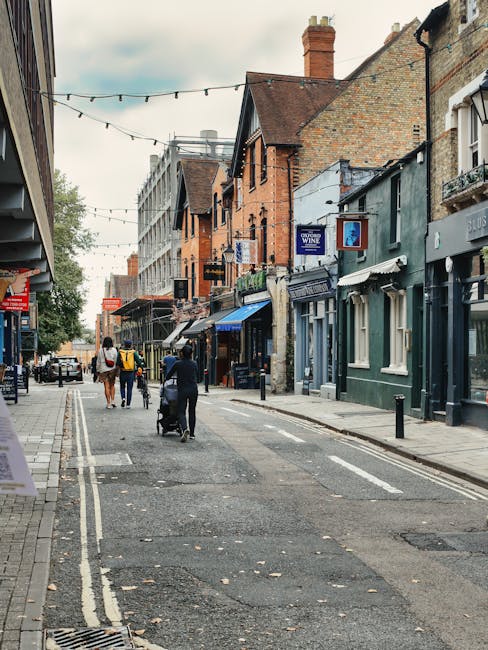
Munster Village small move guide for Parsons Green removals
If you are planning a small move in Munster Village and want it handled smoothly in Parsons Green, you are probably juggling a lot already: boxes in the hall, a narrow stairwell, maybe a sofa that looked smaller in the shop, and a schedule that refuses to cooperate. This guide to Munster Village small move guide for Parsons Green removals is here to make the process feel less messy and a lot more manageable. We will walk through what a small move really involves, how it works in a London setting, what to watch for on moving day, and how to choose the right support without overpaying for more vehicle space than you need.
Small moves can be deceptively simple. They are not always simple, though. One awkward wardrobe, a delayed key handover, or a bit of parking trouble can turn a tidy half-day job into an exhausting one. Let's deal with the practical stuff properly.
Table of Contents
- Why Munster Village small move guide for Parsons Green removals Matters
- How Munster Village small move guide for Parsons Green removals Works
- Key Benefits and Practical Advantages
- Who This Is For and When It Makes Sense
- Step-by-Step Guidance
- Expert Tips for Better Results
- Common Mistakes to Avoid
- Tools, Resources and Recommendations
- Law, Compliance, Standards, or Best Practice
- Options, Methods, or Comparison Table
- Case Study or Real-World Example
- Practical Checklist
- Conclusion
- Frequently Asked Questions
Why Munster Village small move guide for Parsons Green removals Matters
Munster Village sits in a part of southwest London where the details matter. Streets can be busy, parking can be tight, and access can vary from building to building. For a small move, that means the difference between an easy job and a frustrating one is often in the planning, not the lifting. That is exactly why a focused guide for Parsons Green removals is useful.
In our experience, small moves are often underestimated because the volume looks modest. A few boxes, a bed frame, a desk, some kitchenware, and a bicycle might sound manageable in a regular car. But once you factor in time, protecting furniture, carrying items through shared entrances, and dealing with upper-floor flats, the picture changes quickly.
This matters even more if you are moving within Parsons Green or nearby. Short-distance moves still need the same care as longer ones. You may only be travelling a few streets away, but you still need loading protection, careful sequencing, and a vehicle sized correctly for the job. Nobody wants three trips when one would have done nicely.
There is also a financial angle. Choosing the wrong setup can cost more than it should. Too large a vehicle for a small load is wasteful. Too small a van, on the other hand, can mean extra time, added labour, and sometimes a second run. The right small move approach keeps the job efficient, calm, and fair on the budget.
How Munster Village small move guide for Parsons Green removals Works
A small move is usually a lighter domestic relocation or a partial move. Think of it as a carefully scoped removal rather than a full household relocation. The work may involve one person moving from a studio, a couple sending furniture to storage, or a family shifting a few key items between addresses.
For Parsons Green removals, the process usually follows a simple pattern:
- Assess the load - count boxes, note furniture size, and identify anything awkward or fragile.
- Check access - stairs, lifts, doorway widths, parking, and walking distance from vehicle to door.
- Choose the right vehicle - often a removal van or man and van setup is ideal for smaller loads.
- Prepare items properly - disassemble where needed, protect glass, and label boxes clearly.
- Load in a sensible order - heavy items first, fragile items secured last, with straps and blankets where appropriate.
- Transport and unload - keeping the route tidy and avoiding damage at both addresses.
That sounds straightforward, and often it is. But the "small" part is only useful if the move is planned around the realities of the property. A second-floor flat with a narrow staircase is a very different job from a ground-floor studio with driveway access. Small move, yes. Small effort? Not always.
Many people choose a service such as man and van support for local moves when they want flexibility and a practical vehicle size. Others prefer more structured options such as removal services for a fuller level of assistance. The right choice depends on how much help you actually need, not just the headline cost.
Key Benefits and Practical Advantages
There is a reason small moves are often handled differently from full house removals. When done properly, they can be quicker, cheaper, and far less stressful. Here are the main advantages.
- Better value - you only pay for the vehicle size and labour you actually need.
- More flexible timing - small moves are often easier to schedule, including same-day or short-notice jobs where availability allows.
- Less disruption - you can move a few essentials first, then settle the rest later if needed.
- Lower physical strain - you do not have to carry awkward or heavy items alone.
- Cleaner organisation - smaller loads are easier to label, track, and place correctly at the destination.
Another practical benefit is reduced risk. Fewer items usually means fewer opportunities for damage, provided packing is done properly. That said, one badly packed mirror can still cause a headache, so the devil remains in the details. Moving is like that, slightly annoying in a very predictable way.
Small moves are also ideal for people who need a bit of help rather than a full crew. If you have packed most things yourself but still need transport and lifting support, a smaller-scale removal can be a neat middle ground. It is often the sweet spot between doing it all yourself and booking a large moving operation.
Who This Is For and When It Makes Sense
This guide is most useful if you are moving a modest number of items in or around Munster Village, especially if your move touches Parsons Green or the surrounding Fulham area. Typical examples include:
- students moving between rentals
- flat sharers splitting belongings after a tenancy ends
- people relocating from a studio or one-bedroom flat
- homeowners moving a few large items into storage
- tenants taking furniture out before a handover inspection
- small business owners moving office equipment or stock
It also makes sense if you have a couple of awkward items rather than a full property. Maybe a bed, a desk, a bookshelf, and half a dozen boxes. Maybe just one sofa, a dining table, and a chest of drawers. Truth be told, these are the jobs where planning matters most because there is less room to absorb mistakes.
Small moves are not the best fit when you have a full household, multiple large appliances, or a long list of items that need dismantling and reassembly. In those cases, a fuller option such as home moves or house removals may be the more sensible route. If you are unsure, it helps to be honest about volume. Underestimating is probably the most common moving-day mistake of all.
Step-by-Step Guidance
Here is a practical way to approach a small move in Munster Village without losing your head halfway through.
1. List everything you are moving
Write down every item, even the small stuff. Boxes disappear into corners of the flat more easily than people think. A proper list helps you estimate space and avoid leaving something behind in the kitchen cupboard.
2. Measure the awkward pieces
If you have large items like a wardrobe, sofa, bed base, or piano stool, measure them before moving day. Check dimensions against doorways, hallways, and stair turns. This is especially helpful in older London buildings where access can be tighter than expected.
3. Decide what needs dismantling
Some furniture simply travels better in pieces. Bed frames, shelving, and some desks are easier and safer to move when partially dismantled. Keep screws, bolts, and fittings in clearly labelled bags. Put the bag somewhere obvious, not in a random pocket of a jacket you will never wear again.
4. Pack by room and priority
Pack the essentials last so they are easy to find first. Keep like with like: kitchen, bathroom, books, fragile items. Label each box on the top and at least one side. If you are using professional packing support, a service such as packing and boxes can help keep the setup neat and consistent.
5. Check access at both addresses
Look at the practical route from van to door. Is there a lift? Is the parking close? Are there any gate codes, intercoms, or concierge requirements? If the route is awkward, tell the mover before the job begins. Nobody enjoys discovering a long carry after the van has already parked.
6. Book the right level of help
For a small move, you may only need transport and loading help. If the job is a little more involved, consider a broader removals package. If you are comparing providers, look at the service description carefully rather than assuming every quote includes the same level of labour.
7. Prepare for the day before the van arrives
Have keys, access codes, payment details, and any parking arrangements ready. Keep drinks, a phone charger, and essential documents close to hand. It sounds basic, but on moving day basic things have a habit of vanishing.
8. Do a final walk-through
Before leaving, check every room, cupboard, loft hatch, under beds, behind doors, and inside appliances. The odd sock, cable, or remote control always turns up at the last minute. Always.
Expert Tips for Better Results
Small moves go well when you treat them like a project, not a scramble. Here are some practical tips that save time and stress.
- Use the right box sizes - small boxes for books and heavy items, larger boxes for lighter belongings.
- Do not overfill cartons - a box that is too heavy slows everything down and increases the chance of breakage.
- Keep a "first night" bag - toothbrush, charger, kettle, basic toiletries, one change of clothes, and key paperwork.
- Protect floors and corners - especially in rented flats where damage can become a deposit issue.
- Book realistic times - early slots often help when parking and access are easier.
- Stay flexible - London traffic can be a nuisance, even on short local routes.
A useful rule of thumb: if something would be annoying to replace, protect it properly. A quick wrap today can prevent a very irritating day tomorrow.
If you have bulky or valuable items, you might also want to think beyond the move itself. For example, storage can be a smart interim step if your new place is not ready yet, or if you are between tenancies and need a little breathing room.
Common Mistakes to Avoid
Most small move problems come from a handful of avoidable errors. These are the ones we see most often.
- Booking too small a vehicle - one round trip too many can throw off the whole day.
- Ignoring access issues - a short move can still be a long carry.
- Poor labelling - boxes land in the wrong rooms, and unpacking becomes slower.
- Leaving packing too late - last-minute packing is how fragile items get damaged.
- Forgetting parking details - especially important in busy residential streets.
- Mixing essentials with general items - then spending the first night hunting for your phone charger.
Another subtle mistake is assuming all movers work the same way. They do not. Some jobs are priced by time, some by load size, some by a combination of vehicle and labour. If you want clarity, ask for it. Simple question, big difference.
It is also worth being careful with items that need special handling. Pianos, large mirrors, and antique furniture are not the kind of things you casually toss into a van and hope for the best. For delicate or heavier pieces, specialised services such as piano removals or furniture removals may be the safer option.
Tools, Resources and Recommendations
You do not need a mountain of kit for a small move, but a few basics make the process much smoother.
- Sturdy boxes for mixed household items
- Bubble wrap or paper wrap for breakables
- Labels and marker pens for quick identification
- Furniture blankets to reduce scuffs in transit
- Straps or tie-downs to keep items secure
- Socket screwdriver and Allen keys for dismantling and rebuilding
- Gloves and sensible shoes because moving in trainers that are half falling apart is not ideal, really
If you want packing help, services such as packing and unpacking services can save a surprising amount of time. They are especially useful if you are short on hands, short on time, or simply fed up with wrapping plates at 9pm. We have all been there.
For larger loads or repeat moves, you may also want to compare removal van and removal truck hire depending on access and volume. A van is often enough for a compact load. A truck can be better when you need space, but it is not always the smarter choice for a short local move.
Law, Compliance, Standards, or Best Practice
For a local small move, the most relevant compliance concerns usually relate to safety, insurance, handling, and fair service terms. You do not need to become a legal expert, but a little awareness goes a long way.
Good practice in the removals industry normally includes clear pricing, careful handling of items, safe lifting methods, and appropriate insurance arrangements. A provider should be able to explain what is covered, how items are protected, and what happens if access or parking changes on the day. That basic transparency matters.
It is also sensible to check the company's insurance and safety information before confirming the booking. If you are moving from rented accommodation, keep an eye on your tenancy obligations too. Avoid wall damage, protect floors, and leave the property in the condition you agreed to. These details sound small until the deposit conversation starts.
Health and safety should not be treated as an afterthought either. Proper lifting, secure loading, and safe access are not just box-ticking exercises. They protect people and property. If you want to understand how a provider approaches that side of the job, look at the health and safety policy and the overall approach to responsibility and care.
There is also a broader standards issue around honest service. Clear communication, sensible timeframes, and reasonable expectations are part of a trustworthy move. If something is not included, it should be said plainly. No fluff, no guessing.
Options, Methods, or Comparison Table
Small moves usually fall into a few different service patterns. The right one depends on your load, access, and how much lifting you are happy to do yourself.
| Option | Best for | Pros | Watch-outs |
|---|---|---|---|
| Man and van | Light loads, short local moves, flexible timing | Cost-effective, adaptable, simple to book | May require more self-packing or helper input |
| Removal van | Small-to-medium household items, easy access jobs | Good balance of space and efficiency | May be larger than needed for very tiny moves |
| Full removals service | When you want more support with loading and handling | Less stress, more help with heavy items | Can be more than you need for a compact job |
| Storage plus move | When dates do not line up or space is temporary | Useful during gaps between homes | Extra coordination and planning required |
For a very small job, a simple man with van arrangement is often enough. If your move includes furniture, stairs, or a few fragile items, you may be better off with a bit more structure. The best option is usually the one that prevents rework, not the one that looks cheapest at first glance.
Students, in particular, often benefit from a smaller, more flexible setup. If that sounds familiar, student removals can be a practical fit for term-time moves, end-of-tenancy clear-outs, and trips between shared houses.
Case Study or Real-World Example
Here is a realistic example from a typical small move in the Munster Village and Parsons Green area.
A tenant moving out of a one-bedroom flat had a bed frame, mattress, two side tables, a desk, four medium boxes of books, three large boxes of kitchenware, and a bicycle. On paper, it looked like a straightforward job. But the building had a narrow staircase, shared entry access, and limited parking outside. Not dramatic, just enough to matter.
Rather than guessing the van size, the tenant listed every item and sent a clear breakdown of what needed moving. The bed frame was dismantled in advance. Fragile kitchen boxes were labelled. A parking spot was checked early in the morning, and the move was scheduled before the street got busier.
The result? One trip, no damaged items, and far less stress than the tenant had expected. The whole thing finished faster than a full day's move, and the flat was cleared without last-minute panic. Not glamorous, but very effective.
What made it work was not luck. It was clear planning, realistic volume assessment, and a sensible vehicle choice. Small moves usually go well for exactly that reason.
Practical Checklist
Use this checklist the day before and the morning of your move.
- Confirm the moving date and arrival time
- Check access at both addresses
- Arrange parking or loading space where possible
- Pack and label all boxes clearly
- Dismantle furniture that needs to travel flat
- Wrap fragile items securely
- Keep screws and fittings in labelled bags
- Set aside documents, keys, and chargers
- Prepare a first-night essentials bag
- Do a final room-by-room check before leaving
If you are moving between tenancies, it can also help to keep your rental paperwork, meter readings, and keys together in one folder. Small detail, big relief later on. Honestly, it saves a bit of faff.
Conclusion
A small move in Munster Village does not need to become a complicated event. With the right planning, the right vehicle, and a clear sense of what you are moving, Parsons Green removals can be efficient, tidy, and much less stressful than people fear. The important thing is to match the method to the load, rather than forcing a one-size-fits-all approach.
Whether you are shifting a few key furniture pieces, moving out of a compact flat, or handling a short-distance local relocation, the smartest moves are the ones built on good preparation. Keep it simple, keep it realistic, and ask for help where it saves time or protects your belongings. That is usually the whole trick.
Get a free quote today and see how much you can save.
And if you are still weighing up the best route, take your time. A calm, well-planned move has a way of making the new place feel like home from the start.
Frequently Asked Questions
What counts as a small move in Munster Village?
A small move usually means a limited load such as a studio flat, a few pieces of furniture, or a modest number of boxes. It is less about the postcode and more about the volume, access, and how much lifting is needed.
Is a man and van service suitable for Parsons Green removals?
Yes, often it is. For light or partial loads, a man and van setup can be a practical and cost-conscious choice. It is especially useful for local moves where speed and flexibility matter.
How far in advance should I book a small move?
If you can, book as soon as your date is known. Local jobs can sometimes be arranged at short notice, but giving a little lead time usually makes access planning, timing, and vehicle selection easier.
Do I need to dismantle furniture before moving day?
Not always, but it is often sensible for beds, shelving, and awkward items. Dismantling can make the move safer and reduce the chance of scuffs or trapped corners in narrow hallways.
What if I only have a few boxes and one large item?
That is still a very normal small move. One bulky item can change the vehicle size you need, so it is worth mentioning it clearly when arranging the job.
Can I combine small move transport with storage?
Yes, if your dates do not line up or you need temporary space, storage can bridge the gap. It is a useful option when moving out before your next place is fully ready.
What should I do if parking is difficult near my flat?
Tell the mover in advance and check whether a practical loading space is available. In busy London streets, access planning can make a bigger difference than the actual distance travelled.
How do I protect fragile items during a small move?
Use sturdy boxes, wrap items individually, and keep heavy objects away from delicate ones. Label fragile cartons clearly and avoid overpacking them. A little extra padding goes a long way.
Are small moves cheaper than full house removals?
Usually, yes, because the load is smaller and the job needs less time and space. That said, cost depends on access, distance, labour, and whether any special handling is required.
What if I need same-day help?
Same-day moves can sometimes be arranged depending on availability. If timing is tight, it is worth asking about same-day removals rather than assuming it cannot be done.
Is it worth using packing help for a small move?
If you are short on time, packing help can be a very good idea. Even on a small move, professional packing can reduce breakages and speed up the day.
How do I know which service is right for me?
Start with your item list, access details, and how much you want to do yourself. If you only need transport and light lifting, a simpler setup may be enough. If your move includes heavier furniture or awkward access, a fuller removals option may suit you better.
For added peace of mind, you can also learn more about the team, values, and standards behind the service through the about us page, as well as practical information on pricing and quotes and payment and security. Small details, yes. But they matter when you want the day to run without surprises.